Share:

- Women
- Men
- Kids & Baby
- Workwear
- Footwear
- Accessories
- Home & Living
- Health & Beauty
- Pet Supplies

You need leggings for work-from-home days, a hoodie for the school run, and trousers that can cope with a damp walk to the shops. The budget is limited, yet online shopping presents an endless stream of similar-looking products at regular and sale prices. The difficult part isn't finding inexpensive clothing. It's deciding which purchases will earn their place in your wardrobe.
Affordable women's clothing in the UK works best when you treat every item as part of a spending system. A low ticket price can still be poor value if the garment doesn't fit, needs costly delivery, or stays unworn. A slightly higher price can make more sense when the piece works with several outfits, survives regular washing, and replaces a purchase you'd otherwise repeat.
The UK women's apparel market is large enough to give shoppers plenty of choice. One estimate values UK women's apparel at USD 41.36 billion in 2023, with a projected rise to USD 54.53 billion by 2032, representing a 3.12% CAGR, according to Credence Research's UK women apparel market estimate. A separate industry estimate places the UK women's wear market at about £37.6 billion in 2025, which reinforces how central womenswear is to the wider fashion economy.
That scale creates opportunity and noise in equal measure. You'll find dedicated budget retailers, department-store concessions, marketplace sellers, outlet sections, and independent online shops competing for the same everyday purchase. For a shopper looking for capri trousers, basic tops, leggings, or a soft sweatshirt, the challenge is often less about access and more about filtering.
Online shopping has changed how people judge value. UK womenswear's online penetration reached 43.8% in 2023, an increase of 1.1 percentage points from the previous year, as recorded in the same Credence Research market source. That makes it easier to compare a regular price, a sale price, delivery conditions, colours, size availability, and returns before paying.
A practical search usually starts with the item rather than the brand. Search for “black full-length leggings”, “women's cotton T-shirt”, or “three-quarter capri trousers”, then compare the complete basket cost. Look at fabric information, size charts, customer photographs, and whether the discounted price applies to the size and colour you want.
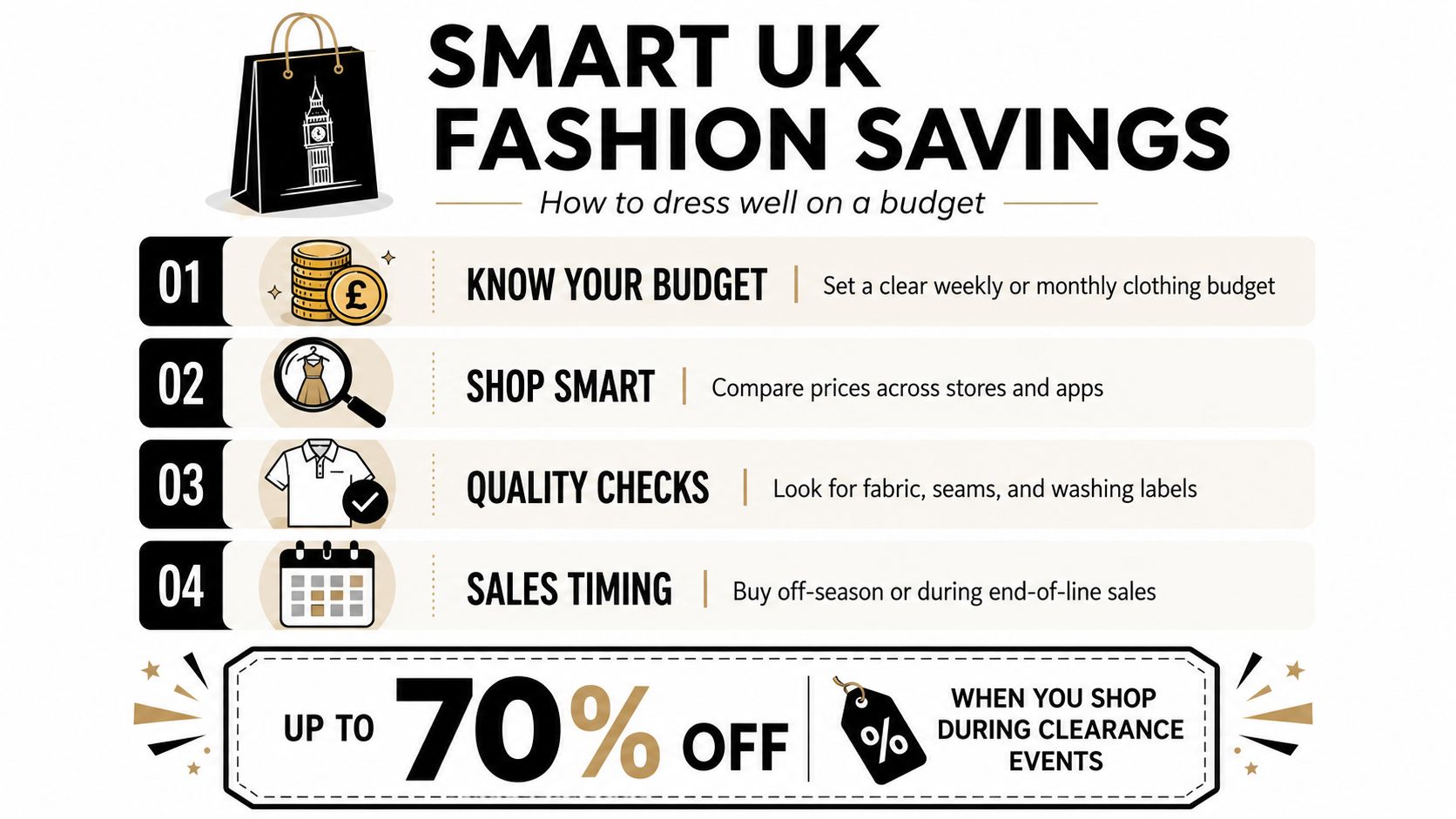
British weather encourages layering and repeat wear. A lightweight top may need to work under knitwear, while leggings or trousers need to suit indoor comfort, errands, travel, and casual weekends. That's why versatile basics often outperform highly specific trend pieces in a value-focused wardrobe.
The best affordable purchase isn't necessarily the cheapest item on the page. It's the one that fits your existing clothes, suits your routine, and still looks presentable after ordinary care. Start with those criteria, then use regular and sale pricing to reduce the cost rather than allowing the sale label to dictate what you buy.
A wardrobe can seem inexpensive at checkout and still become costly when low-use purchases keep accumulating. UK clothing research found that British women spent an average of £74 per month on clothes, while the average woman owned 95 clothing items and regularly wore 59% of them. The figures suggest a familiar gap between ownership and practical rotation, with plenty in the wardrobe but fewer dependable outfits.
That gap changes the meaning of affordability. Several inexpensive items can crowd drawers without making daily dressing easier. A workable clothing budget should prioritise pieces that earn repeated wear, rather than the number of parcels delivered or the apparent saving on each order.
The Office for National Statistics consumer price inflation bulletin for April 2026 reported that clothing and footwear prices rose 0.7% in the 12 months to April 2026, after falling 0.8% in the 12 months to March 2026. Within that category, garments for men, women, and children rose 0.5% in April 2026, compared with a fall of 1.0% a year earlier.
These shifts make price comparison more useful than relying on a sale badge. Peppervale and similar affordable brands can use regular and sale pricing to appeal at different points in the buying cycle, but the reduced figure only represents value when the garment fills a real gap. Add delivery and any likely return cost before judging the saving.
The ONS basket shows how many decisions womenswear involves. Representative items include blouses, skirts, dresses, trousers, leggings, tops, T-shirts, cardigans, jumpers, sweatshirts, coats, jackets, rainwear, exercise leggings, swimwear, nightwear, underwear, and tights, according to the 2026 CPI basket document. That range makes fit, comfort, care requirements, and usefulness relevant across very different purchases.
Growth in the apparel market, noted earlier by Credence Research, matters less to a household budget than the cost per useful wear. A lower-priced garment that sits unworn is still poor value, while a modestly priced staple can justify its place through frequent use.
Wardrobe rule: affordability means reducing the cost of clothing you actually use, not maximising the number of items you can buy today.
Before shopping, list the gaps in your current rotation. If you already own several tops but lack comfortable trousers, another top is competing for limited wardrobe space rather than solving the problem.
Start with the clothes that carry several outfits. A plain T-shirt can sit beneath a cardigan, blazer, hoodie, or overshirt. Leggings can work for relaxed days and exercise, while three-quarter capri trousers can cover warmer-weather errands without requiring an entirely separate seasonal wardrobe.
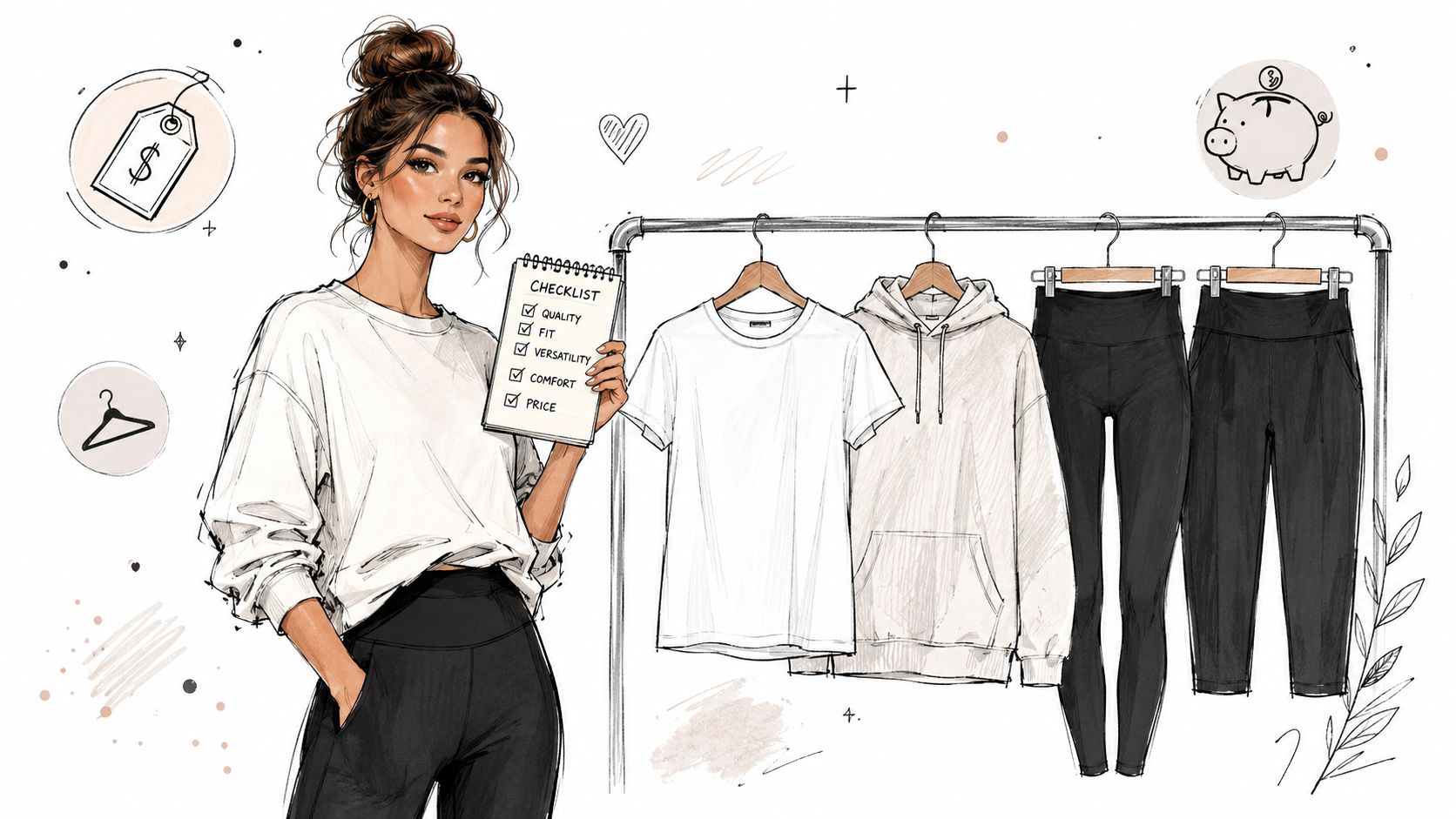
Write down the colour, cut, fabric preference, and purpose before opening a retailer's website. This prevents a bright sale item from distracting you when you need a neutral layer, and it makes comparisons faster.
Use this order of checks:
A retailer's sale structure can help when it shows regular and reduced prices together. That display gives you a starting point for judging the reduction, but it doesn't prove that the garment is right for you. Check whether your preferred size is included, whether the item is available in a useful colour, and whether the return terms apply to sale purchases.
Email sign-up can be useful if you treat it as a monitoring tool rather than a prompt to buy. New-product notices and sale alerts may help you wait for a suitable price, but unsubscribe if messages encourage purchases you haven't planned.
For UK shoppers, delivery clarity matters. Peppervale advertises free UK delivery over £50, and its online catalogue includes everyday garments such as T-shirts, hoodies, leggings, and three-quarter capri trousers. You can also use this guide to choosing an online clothing store in the UK when comparing navigation, delivery information, and returns.
Don't order a small item just to cross a free-delivery threshold unless the extra purchase has a clear role. Paying for delivery can be cheaper than buying a garment you wouldn't otherwise choose.
A visual guide can help you assess the difference between a full-price purchase and a considered sale purchase. Use the video below as a prompt to review fit, versatility, and fabric before adding basics to your basket.
A sale badge answers only one question, whether the current price is lower than a displayed regular price. It doesn't answer whether the item is affordable in use, whether the original comparison is meaningful, or whether the purchase still makes sense after delivery.
Read the product page in a fixed order. Note the current price, the stated regular price, the colour and size availability, delivery charge, and return conditions. Then ask whether you'd still want the item without the red banner.
Consider two tops. One has a lower item price but adds delivery because your basket is below the retailer's threshold. Another costs slightly more but qualifies for free delivery. The second may have the lower checkout total, so comparing product prices alone gives you the wrong answer.
A simple comparison table keeps the decision grounded:
| Check | What to look for |
|---|---|
| Regular price | Is it clearly shown beside the reduced price? |
| Sale price | Does it apply to your chosen size and colour? |
| Delivery | Does the charge change the final basket cost? |
| Returns | Can you send back a poor fit under the stated policy? |
| Usefulness | Will the garment work with clothes you already own? |
The same logic applies to multi-buy offers. If an offer requires several items, calculate whether you need all of them. A discount on unwanted stock isn't a saving.
Cost per wear is a practical way to compare similar garments. Divide the total amount paid, including unavoidable delivery, by the number of times you expect to use the item. A basic top that becomes part of your weekly rotation can beat a cheaper novelty piece worn for one occasion.
This isn't a demand for perfect forecasting. Estimate conservatively. If you can't identify when you'll wear a garment, how it combines with your wardrobe, or how you'll wash it, treat the discount as less important.
Price-reading habit: judge the checkout total and expected use, not the size of the percentage printed beside the product.
Clear sale displays are useful because they reduce the effort of comparison. They work best when you still check fit, availability, returns, and the role the item will play in your wardrobe.
Affordable clothing has to withstand the way you live. Leggings worn for commuting, lounging, errands, or exercise face different stresses from a dress worn occasionally, so quality checks should start with use rather than fashion category.
Examine the fabric composition, weight, stretch, and stitching. Look at seams around high-movement areas, inspect hems for loose threads, and read the washing label before ordering. A soft fabric that needs awkward care may deliver less practical value than a straightforward fabric that fits your routine.
For leggings, check whether the fabric looks opaque under tension and whether the waistband appears stable. For T-shirts, inspect the neckline, shoulder seams, and side seams. For hoodies, consider the thickness, cuff construction, hood shape, and whether the inside texture is likely to change after washing.
Product descriptions can reveal useful information, but they aren't a substitute for judgement. Customer reviews are most helpful when you filter for specific evidence:
A garment that lasts longer and remains comfortable can cost less in practice than a cheaper replacement cycle. You don't need to assume an expensive item will last. Instead, compare construction, fabric information, care requirements, and expected frequency of wear.
Versatility also forms part of quality. A neutral hoodie that works with leggings, jeans, and casual trousers may deserve more of your budget than a statement item that matches only one outfit. The same applies to colour. A shade that coordinates with your existing wardrobe earns more opportunities to be worn.
The Peppervale guide to cheap women's clothing can help you focus on affordable categories while keeping the decision centred on everyday use. Its value is not only in locating low prices. You still need to check the garment details and decide whether the item deserves space in your rotation.
Wash new clothing according to its label, avoid unnecessary heat where the care instructions advise against it, and repair small faults before they become reasons to discard an item. Extending useful wear is one of the clearest ways to make a budget purchase work harder.
Begin with a wardrobe audit, not a shopping app. Pull out the clothes you wear repeatedly, note the gaps they reveal, and separate genuine needs from items that merely look appealing in a product photograph.
Create a short list under three headings:
Set a clothing limit that reflects your circumstances. The £74 average monthly spending figure from the available UK wardrobe study summary can provide a reference point, but it shouldn't become a target or a rule. Track what you buy and, more than anything, what you wear. If a category repeatedly goes unused, change your buying criteria rather than buying more of it.
Before checkout, confirm the size chart, garment measurements, delivery charge, and return process. If fit is uncertain, ordering more than one size can be sensible where the retailer's policy permits it, but check whether you'll need to pay return postage and send unsuitable items back promptly.
Save product pages for later rather than relying on memory. This makes it easier to recognise a genuine reduction, compare colours, and wait for the right version of a garment. Email updates can alert you to new stock and reductions, but keep notifications switched off if they turn browsing into impulse shopping.
Use the women's basics guide from Peppervale to identify practical foundation pieces, then build gradually. A small, organised wardrobe gives you better feedback than a large haul because you can see which cuts, fabrics, and colours support your real routine.
Affordable fashion also means managing what leaves your wardrobe. Repair suitable items, pass on pieces you no longer wear, and choose second-hand options when they meet your fit and condition requirements. Buying less often, wearing more consistently, and checking the full cost of each purchase is a more reliable strategy than chasing every new reduction.
Peppervale offers UK shoppers everyday women's clothing including leggings, T-shirts, hoodies, and three-quarter capri trousers, with regular and sale pricing shown where applicable. Visit Peppervale to compare practical wardrobe pieces, check UK delivery information, and shop with your budget and existing clothes in mind.


